
Irrigation
Agriculture Drip irrigation filters for Clean & Efficient Water Flow Systems
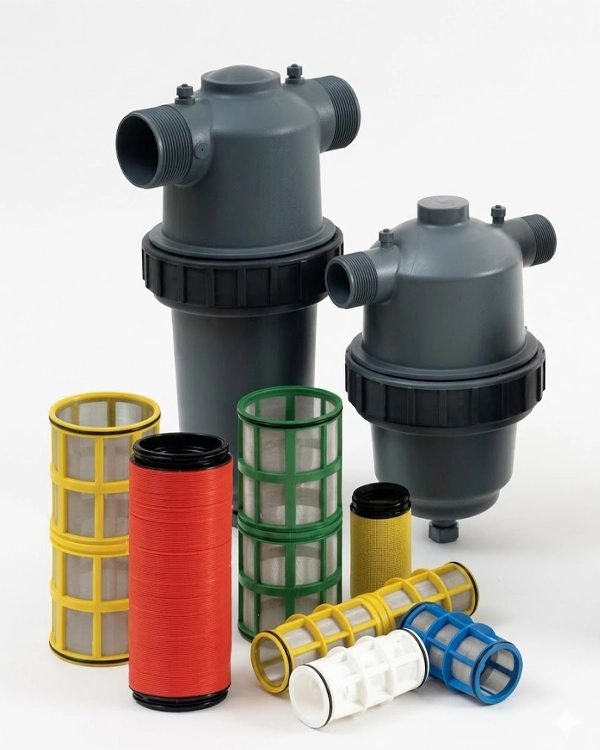
Clean water is the foundation of any successful irrigation system. At Fieldflow Greens Pvt. Ltd., our irrigation filters are designed to remove impurities, protect equipment, and ensure consistent water flow for healthier crops and better yields.
Request for Quote
Looking for the right irrigation filter for your farm or project?
👉 Contact Fieldflow Greens Pvt. Ltd. today for expert guidance and high-quality filtration solutions.
Why Irrigation Filters Are Essential?
Water used in agriculture often contains sand, debris, and organic particles. Without proper filtration, these impurities can clog emitters, reduce pressure, and damage your irrigation system.
Irrigation filters act as a protective barrier, ensuring smooth operation and long-term durability. Even small particles can block drip emitters and reduce system efficiency, making filtration critical for modern farming.
Key Features of Drip Irrigation Filters –
- Complete Range of Fittings: Includes start connectors, joiners, rubber grommets, end caps, elbows, and tees for a complete irrigation setup.
- Leak-Proof Connections: Designed to provide tight and secure joints, preventing water leakage and wastage.
- High-Quality Durable Material: Manufactured from premium, UV-resistant plastic for long-lasting performance.
- Easy Installation & Handling: User-friendly design ensures quick and hassle-free setup without complex tools.
- Efficient Water Flow Management: Ensures smooth and uninterrupted water distribution across irrigation systems.
- Weather & UV Resistant: Suitable for outdoor use, capable of withstanding harsh sunlight and environmental conditions.
- Versatile Application: Compatible with both drip and sprinkler irrigation systems for multiple agricultural uses.
Specification of Agriculture Irrigation Filters –
- Filter Types: Screen Filter (Y-Type & T-Type), Disc Filter, Hydrocyclone Filter, Media/Sand Filter
- Material: High-quality, corrosion-resistant plastic & metal construction
- Filtration Media: Stainless steel mesh, disc elements, sand/media layers
- Size Range: Available in 3/4”, 1”, 1.5”, 2”, 2.5”, and 3” connections
- Operating Pressure: Up to 8 kg/cm²
- Flow Capacity: Up to 50 m³/hr (varies by model)
- Filtration Level: Effective removal of sand, silt, algae, and organic particles
- Installation Type: Inline installation (Y-Type & T-Type options available)
Key Benefits of Using Irrigation Filters
- Prevent clogging of drip emitters and sprinkler nozzles
- Maintain uniform water distribution
- Reduce maintenance and downtime
- Improve crop yield and water efficiency
- Extend lifespan of irrigation systems
Application of Drip irrigation Filters –
- Drip Irrigation Systems: Used to connect and control water flow in drip irrigation networks for efficient watering.
- Agricultural Fields: Ideal for distributing water uniformly across crops for better yield.
- Sprinkler Irrigation Systems: Ensures proper connection and smooth operation of sprinkler setups.
- Gardens & Landscaping: Suitable for lawns, gardens, and decorative plants for organized irrigation.
- Greenhouses & Nurseries: Provides reliable water distribution for seedlings and controlled environments.
- Orchards & Plantations: Helps in targeted irrigation for fruit crops and plantation farming.
How to Choose the Right Irrigation Filter
Choosing the right filter depends on:
- Water quality (clean, muddy, or algae-rich)
- Flow rate requirements
- Type of irrigation system
- Maintenance preferences
For cleaner water, screen filters work well, while sand or media filters are better for high impurity levels.
1. What are irrigation filters and why are they important?
Irrigation filters remove impurities like sand, silt, and debris, protecting pipelines and ensuring efficient water flow in irrigation systems.
2. Which type of irrigation filter is best for agriculture?
The best filter depends on water quality—screen filters for light debris, disc filters for fine particles, and media filters for organic matter.
3. How often should irrigation filters be cleaned?
Irrigation filters should be cleaned regularly based on usage and water quality, typically once a week or when pressure drops.
4. Can irrigation filters improve crop yield?
Yes, clean water flow prevents clogging and ensures uniform irrigation, which helps improve crop growth and overall yield.
5. Are irrigation filters suitable for drip and sprinkler systems?
Yes, irrigation filters are essential for both drip and sprinkler systems to maintain performance and prevent clogging issues.
Type Of Irrigation Filters

Screen Filter Y-Type
Compact and durable filter designed to remove physical impurities such as sand, rust, and debris. Its Y-shape makes installation and cleaning simple.
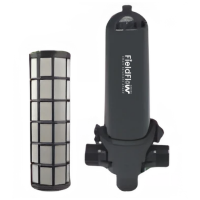
Screen Filter T-Type
T-shaped screen filter for higher flow capacity and easy inline installation.
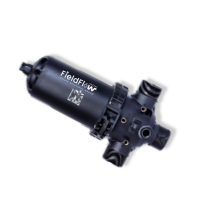
Disc Filter T-Type
High-performance disc filter with T-shape body for easy inline connection.
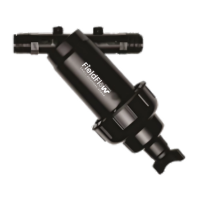
Y-Type Manual Disc Filter
Designed for precision filtration using stacked discs that trap debris. Manual cleaning makes it cost-effective and simple for farmers.
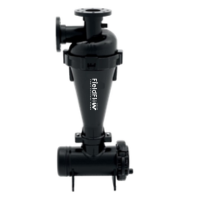
Hydrocyclone Filter
A centrifugal filter that removes sand and heavy particles from water before they enter the irrigation system.
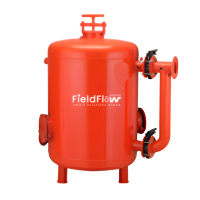
Sand / Media / Gravel Metal Filter
Multi-layer filter using graded sand/gravel media to trap organic matter, algae, and suspended particles.
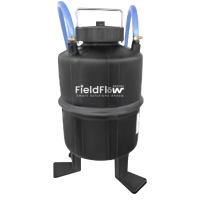
Fertilizer Tank (PP)
Polypropylene (PP) fertilizer tank designed for safe and efficient fertigation.